







Новые продукты


Обучение

Наша история
Selecting the right hard hat, or protective helmet, is vital in ensuring optimal safety on the job. Several factors come into play when determining the type of headgear best suited to protect workers against potential hazards.
Another critical factor to consider is the level of comfort and fit. A hard hat that is uncomfortable or ill-fitting can serve as a distraction and might even discourage consistent use, ultimately defeating its purpose. Look for features such as adjustable straps, a ratchet suspension system, and adequate ventilation. These contribute to the comfort and fit of the helmet, encouraging the wearer to keep it on at all times while working.
Finally, the hard hat's material composition can influence its durability and protection level. Helmets made from materials like polycarbonate offer high impact resistance and durability, ensuring long-lasting protection.
In conclusion, when choosing your hard hat, it's essential to consider the worksite's nature, comfort and fit, and material composition. By taking these factors into account, you can select a hard hat that offers optimal protection and encourages consistent use.

Life-saving or rescue equipment is a critical component of workplace safety, especially in industries where workers are exposed to high-risk environments such as heights, confined spaces, or water bodies. The specifics of required rescue equipment may vary according to the nature of work, potential hazards, and local regulations, but there are several common pieces that are generally considered compulsory.
For workplaces involving work at height, fall protection equipment is critical. This includes harnesses, lanyards, lifelines, and rope access systems. For a complete fall-arrest system, these elements work together to prevent falls or minimize the impact if a fall does occur.
In situations involving confined spaces, specialized rescue equipment such as tripods, winches, and retrieval systems become vital. These tools help rescuers to access the confined space and extract individuals safely.
Rescue ropes and webbing, along with carabiners, pulleys, and descenders, form the backbone of many rescue scenarios. Rope rescue equipment is essential for high-angle rescue scenarios where victims need to be accessed and extricated from elevated locations.
Water rescue equipment such as life jackets, throw bags, and rescue boats are indispensable for workplaces near or on the water. Technical rescue equipment, including extrication devices and stretchers, may be required in workplaces where there is a risk of physical injury or immobilization.
Alongside this physical equipment, a competent rescue team is arguably the most vital resource. Training in rigging systems, belay operations, and tactical maneuvers is crucial to utilize the rescue equipment effectively and safely.
Lastly, it's important to note that the Occupational Safety and Health Administration (OSHA) in the U.S., along with similar bodies worldwide, has specific guidelines for life-saving equipment in different industries. Compliance with these standards is not only a legal requirement but also an essential step towards ensuring the safety of all workers.
Next, we'll explore the standards that guide the use of rescue equipment in businesses worldwide.

For workers handling sharp objects or operating machinery with moving parts, hand protection is not just necessary – it's critical. This is where cut-resistant gloves, a type of safety gloves, come into play.
Cut-resistant gloves are specifically designed to provide protection against accidental cuts, lacerations, and abrasions that can occur in various job tasks. Made of durable and protective materials like Kevlar or heavy-duty nitrile, these gloves provide a barrier between the worker's hands and potential hazards. They help to reduce the risk of serious injuries that could result from contact with sharp edges, pointed objects, or high-speed rotary machinery.
Moreover, cut-resistant gloves are not only about providing protection. These gloves are designed to offer good dexterity and flexibility. They allow workers to perform their tasks without hindrance, thus maintaining productivity levels while ensuring safety. A glove that provides both protection and comfort encourages regular use, making a safer workplace environment.
In industries such as construction, metal handling, glass manufacturing, woodworking, and many others, the usage of cut-resistant gloves is often mandatory under occupational safety regulations. These gloves are also essential in food preparation areas, where workers frequently use sharp knives and other cutting tools.
Wearing cut-resistant gloves at work is an easy and practical step to mitigate risks associated with hand injuries, making them a key part of any comprehensive personal protective equipment (PPE) program. Ultimately, the goal is to protect your most valuable tools – your hands – allowing you to work with confidence and safety.

Safety at the workplace is a priority that should never be taken lightly. When it comes to indoor environments such as warehouses, factories, or workshops, appropriate footwear, like indoor safety shoes, plays a crucial role in protecting employees from potential hazards.
Indoor safety shoes are designed specifically to provide adequate protection against various hazards present in an indoor working environment. These hazards may include heavy objects that could fall or roll onto your feet, sharp objects that could puncture the sole, or slippery surfaces that could cause falls.
Featuring robust construction with materials such as steel-toe, composite toe, or metatarsal guards, indoor safety shoes offer an essential line of defense against such incidents. The steel-toe or composite toe cap shields the wearer's toes from impact and compression, while the metatarsal guard offers protection against injuries from rolling or falling objects.
In addition, the slip-resistant outsoles found on quality indoor safety shoes provide excellent traction on slippery surfaces, reducing the risk of slip and fall accidents. This feature is particularly important in environments where floors can become slick due to spillages or the nature of the work performed, such as in kitchens or chemical laboratories.
Some indoor safety shoes also feature dissipative properties to protect against electrostatic build-up, which can be a serious risk in certain indoor environments like electronics manufacturing facilities.
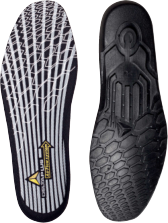
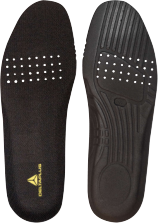
Lastly, comfort is a crucial element that specialized indoor safety footwear offers. They are designed with supportive insoles and ergonomically shaped toe boxes to provide comfort during long hours of wear, which can significantly enhance a worker's productivity.
In essence, wearing special indoor safety footwear is a preventive measure that protects you from workplace hazards, reduces the occurrence of injuries, and enhances your overall productivity. It's not just about complying with health and safety regulations — it's about ensuring your well-being in the workplace.

Choosing the right size of women's safety shoes is critical to ensure optimal comfort and protection. While the process may be similar to selecting the size of regular footwear, there are certain aspects you should consider when dealing with safety shoes.
Firstly, measure your feet. This can be done at home using a blank sheet of paper, a pencil, and a ruler. Place your foot on the paper and draw around it. Measure the distance from the heel to the tip of your longest toe. Repeat the process for the other foot, as feet sizes may vary. Use the longest measurement when comparing to a shoe size chart.
Next, it's important to consider the width of your foot. Women's safety shoes are typically designed for a narrower foot compared to men's. If you have a wide foot, look for safety shoes that come in wide sizes.
Additionally, remember to consider the socks you'll be wearing with your safety shoes. If you'll be wearing thick socks or multiple pairs, you might want to choose a size slightly bigger than your regular size.
Moreover, the toe style will impact the fit of the shoe. Steel-toe work boots and composite toe boots may fit differently due to the space the toe cap occupies. It's crucial to ensure that your toes have enough space and are not pressed against the safety cap as this can cause discomfort and potentially lead to injuries.
When trying on a safety shoe, there should be enough room to wiggle your toes. The shoe should fit snugly around the heel and ankle but shouldn't pinch or feel uncomfortably tight. Walk around in the shoes to ensure they feel comfortable.
Lastly, bear in mind that different brands and styles can fit differently. It's always best to try on a few different styles and sizes to find the perfect pair.
To sum up, choosing the right size of women's safety shoes involves more than just knowing your foot length. It requires considering the shoe width, sock thickness, toe style, and brand sizing differences. Delta Plus offers a comprehensive range of women's safety footwear in various sizes, styles, and protection levels to ensure you find the perfect fit for your safety needs.