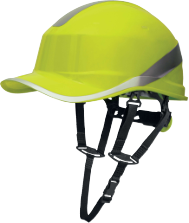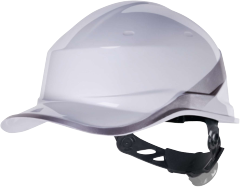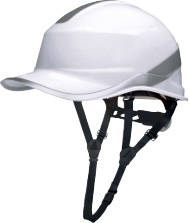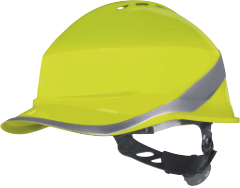











Skull protection
Choose the protective helmet model that suits you to best protect you from hazards. Delta Plus, 1ᵉʳ French PPE manufacturer.

Choose the protective helmet model that suits you to best protect you from hazards. Delta Plus, 1ᵉʳ French PPE manufacturer.
Selecting the right hard hat, or protective helmet, is vital in ensuring optimal safety on the job. Several factors come into play when determining the type of headgear best suited to protect workers against potential hazards.
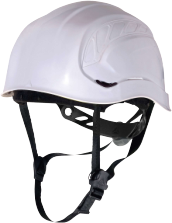
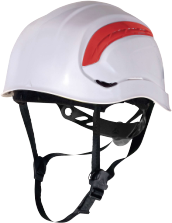
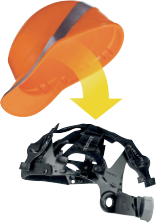
Another critical factor to consider is the level of comfort and fit. A hard hat that is uncomfortable or ill-fitting can serve as a distraction and might even discourage consistent use, ultimately defeating its purpose. Look for features such as adjustable straps, a ratchet suspension system, and adequate ventilation. These contribute to the comfort and fit of the helmet, encouraging the wearer to keep it on at all times while working.
Finally, the hard hat's material composition can influence its durability and protection level. Helmets made from materials like polycarbonate offer high impact resistance and durability, ensuring long-lasting protection.
In conclusion, when choosing your hard hat, it's essential to consider the worksite's nature, comfort and fit, and material composition. By taking these factors into account, you can select a hard hat that offers optimal protection and encourages consistent use.

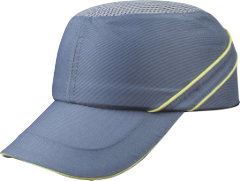
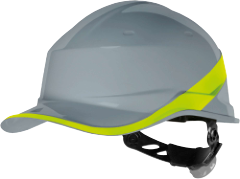
Understanding the varied types of protective helmets is vital in selecting the right gear to ensure optimal head protection. Here's an overview of the common types:
In conclusion, the right type of helmet depends on the nature of the work, the specific hazards present, and the wearer's comfort and preference.

Wearing a hard hat or protective helmet is paramount to maintaining safety in a multitude of work environments. Not only is it a requirement by safety regulations such as those set by OSHA, but it also provides a first line of defense against various hazards.
Primarily, hard hats protect against impact from falling or flying objects, which could lead to severe head injuries. A well-designed helmet absorbs the impact force, reducing the risk of trauma.
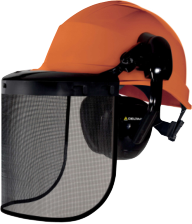
In addition, certain designs, like full-brimmed helmets or those with visors, protect the wearer from sun exposure, rain, or splashes from harmful chemicals. High visibility helmets increase the wearer's visibility, enhancing safety in low-light conditions or crowded workspaces.
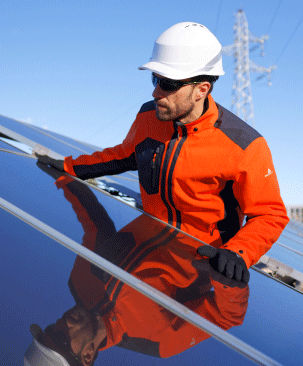
Helmets designed for specific tasks, like welding helmets, provide specialized protection - in this case, from harmful light radiation and sparks. In electrical work environments, safety helmets made from non-conductive materials protect against electrical shocks.
Furthermore, wearing a hard hat signals a commitment to safety, promoting a culture of caution and responsibility on the worksite.
To sum up, wearing a hard hat is a simple yet crucial step in minimizing risks, protecting the worker's health, and fostering a safer work environment.